

When Someone You Love Dies
Everyone reacts in their own way, it’s normal to feel a range of emotions. We can help you find support to cope with your loss.
What is grief?
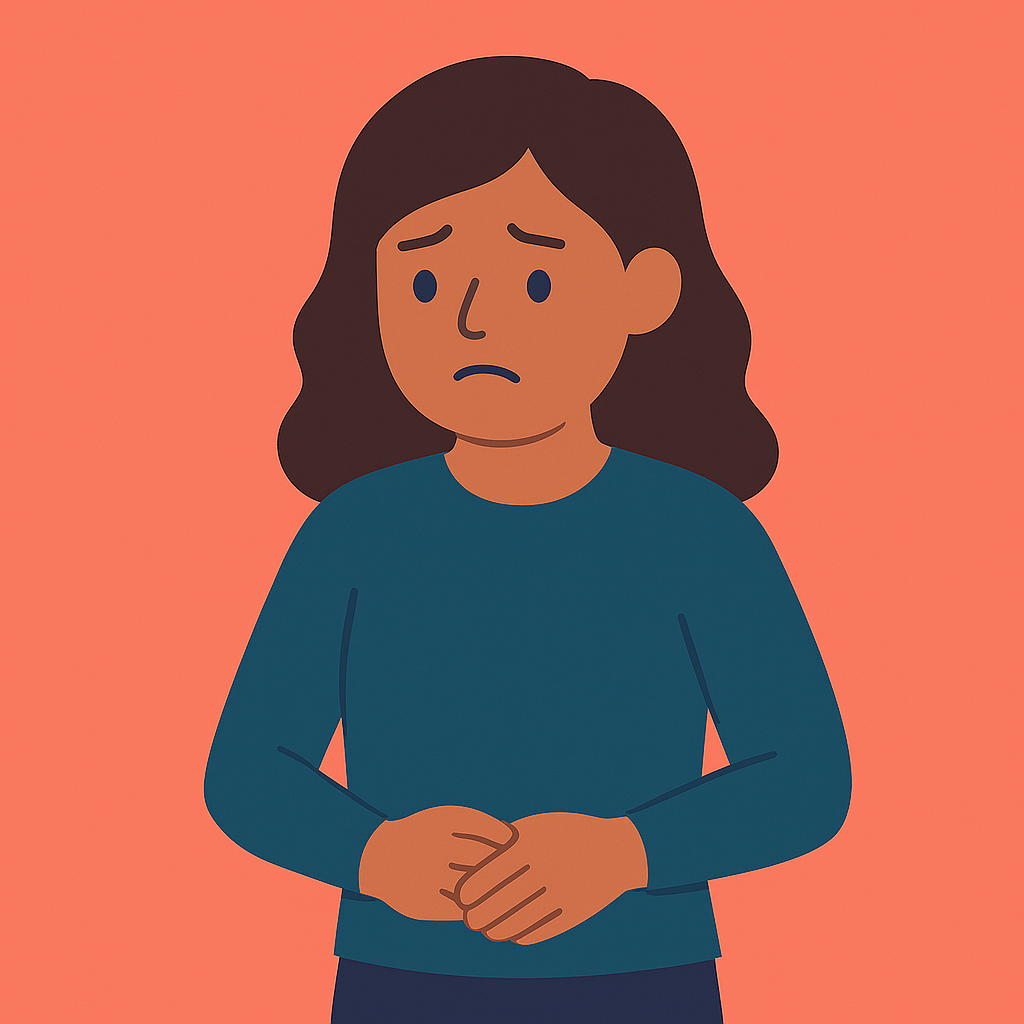
Grief is a word we use to describe all the feelings we have when someone we love very much dies. Grief may not feel normal but it is. Everyone will ‘grieve’ in their own way.
You may experience all sorts of feelings or you may feel nothing.
You may find it easy to talk or you might keep all of your emotions inside. Grief is when we are expressing all of the love or any other feelings we have for the person who has died. We might also grieve when our pet dies.
How might I feel?
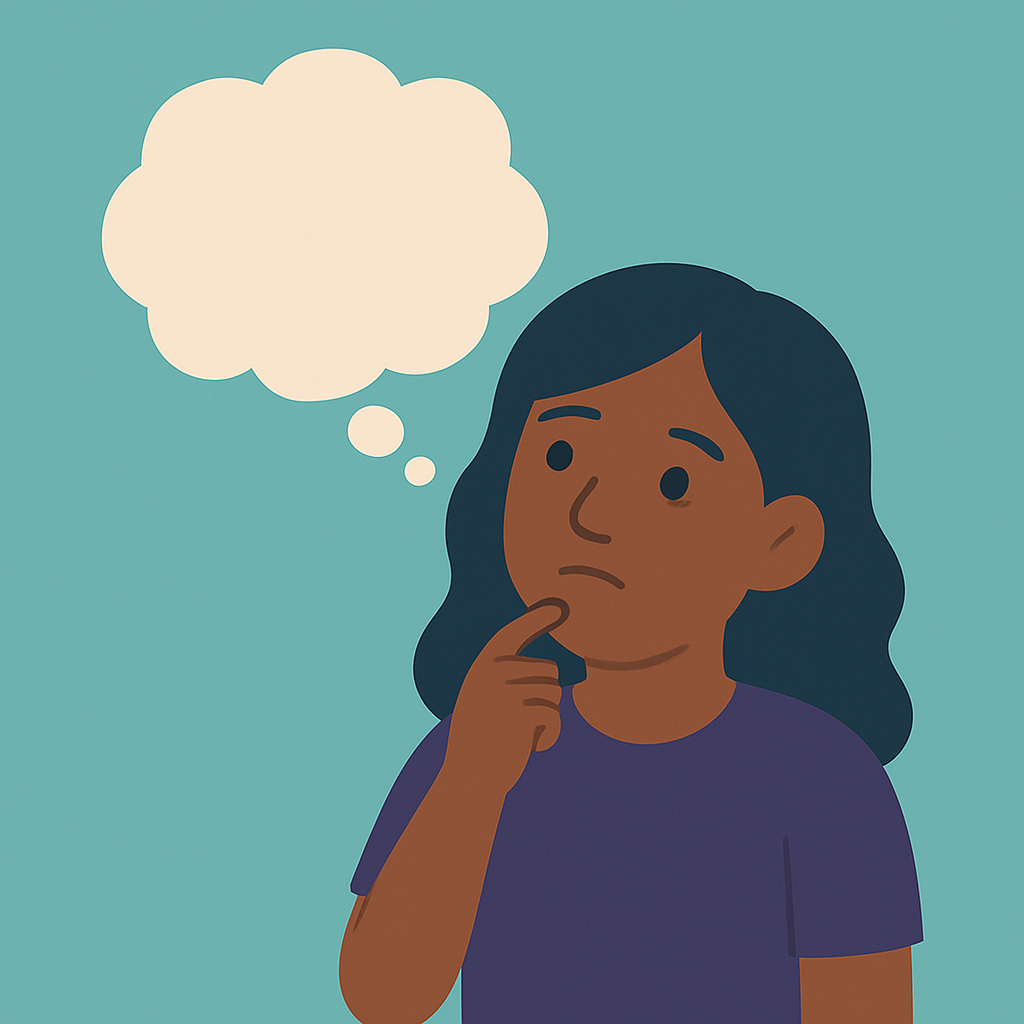
- Sad
- Angry
- Confused
- Detached – as though this is not real or really happening
- Frightened
- Overwhelmed
- Upset and distressed – when all these feelings are inside us
- Guilt
- Panic and worry
- Helpless
- Numb
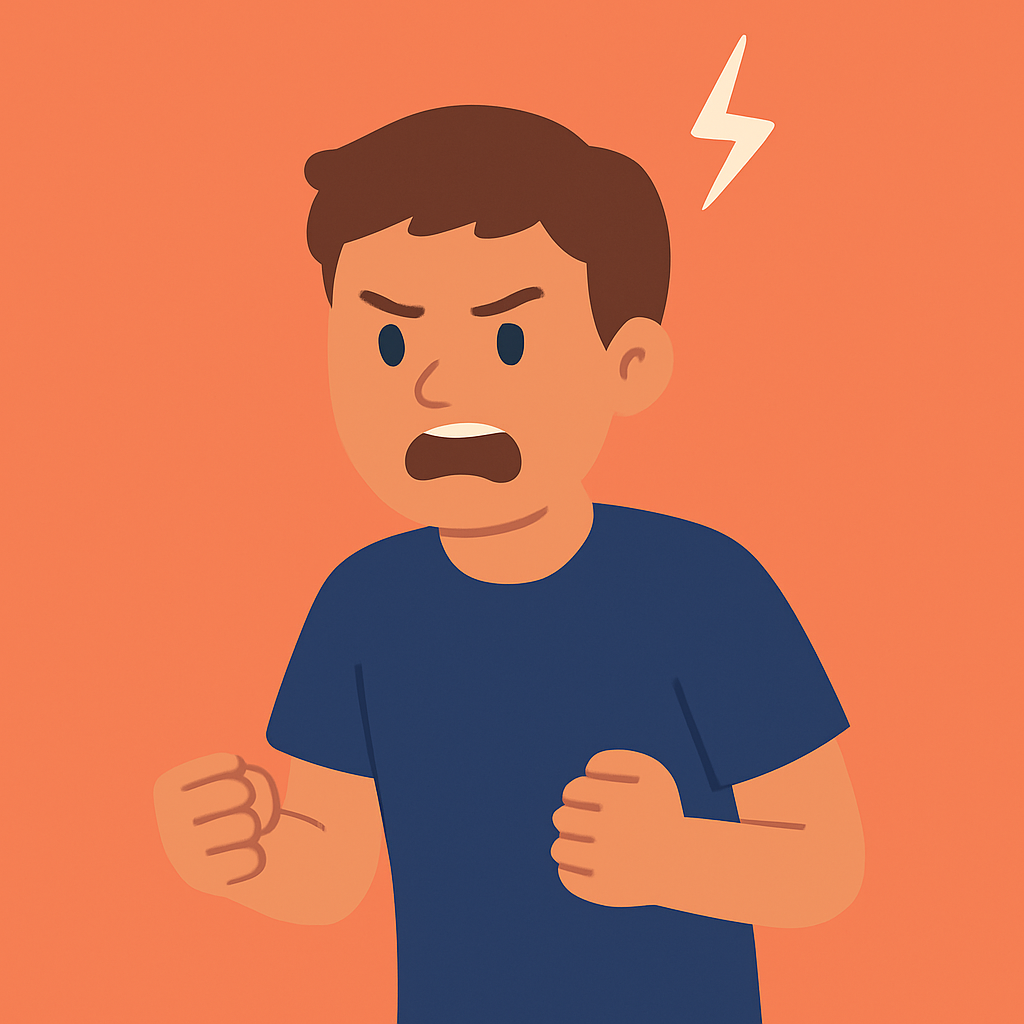
All of these feelings are normal when someone you love has died
This might be a family member, a friend, or a place like Compass Rise- we help children and young people with their grief feelings.
It’s also normal to sometimes forget about your grief, to feel happy when we think of a happy memory or time, to have fun and take breaks from grieving and its normal to dream about the person who has died. These dreams might be nice and peaceful or scary and not nice.

Am I normal?
YES!! When someone or something important to us dies it is one of the biggest and most painful things anyone can experience, its completely normal to need a bit of help.
All grief feelings are normal. Grieving is healthy and the more you can share your feelings the easier it will become.
Trauma
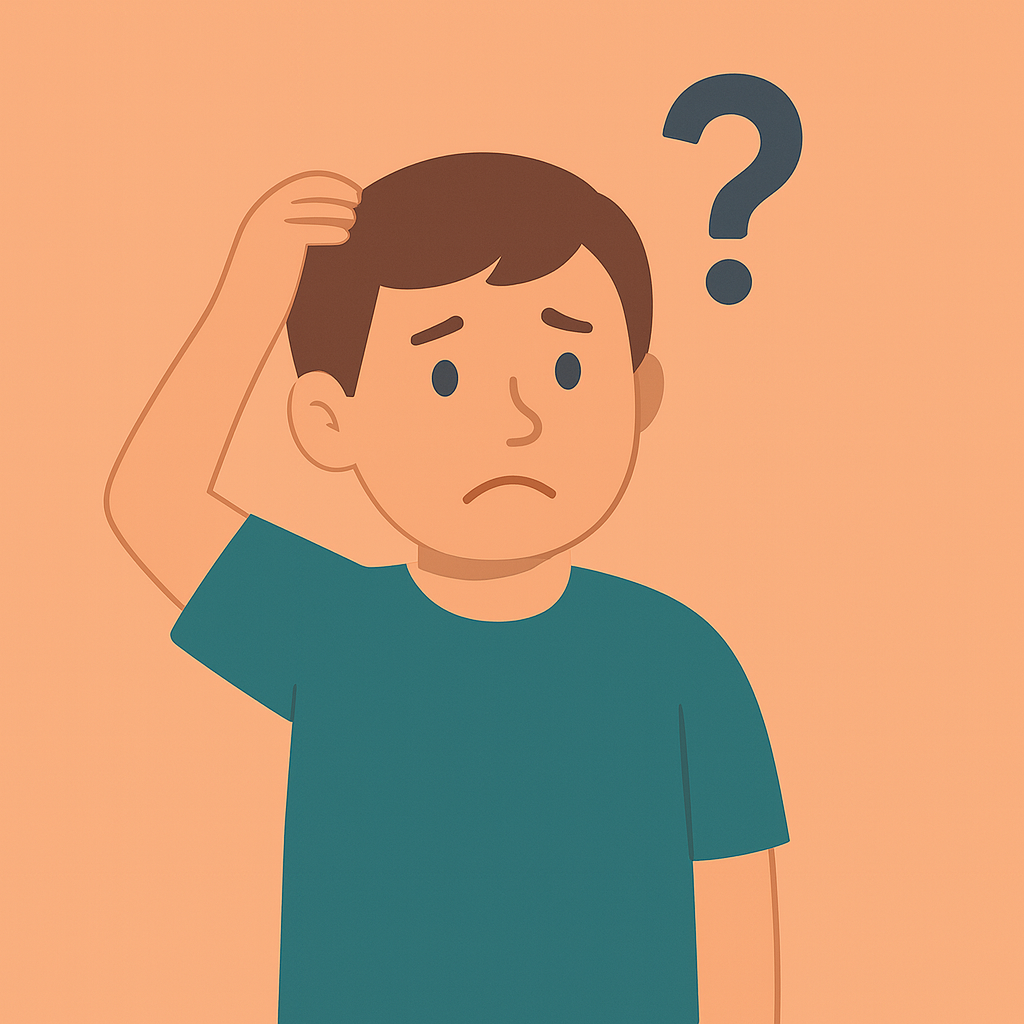
When someone very important to us dies, especially if this is a parent, a sibling or someone who cared for us a lot (this could be someone else who was a parent figure to us or a friend) we experience something called trauma. We often describe the death of someone we love as a traumatic life event or traumatic experience.
When we experience trauma our brains respond in a particular way to what has happened. This can cause us to feel very upset and distressed or to feel ‘numb’ or ‘blank’. It might mean that sometimes we remember things or have thoughts and feelings when we are least expecting them. Trauma can cause our brains to be overwhelmed. So we may not ‘process’ what we have experienced in the beginning, this might happen later on, even years after.
We are here to help you whenever you need it, whether this is in the days, weeks and months after someone has died or years later.
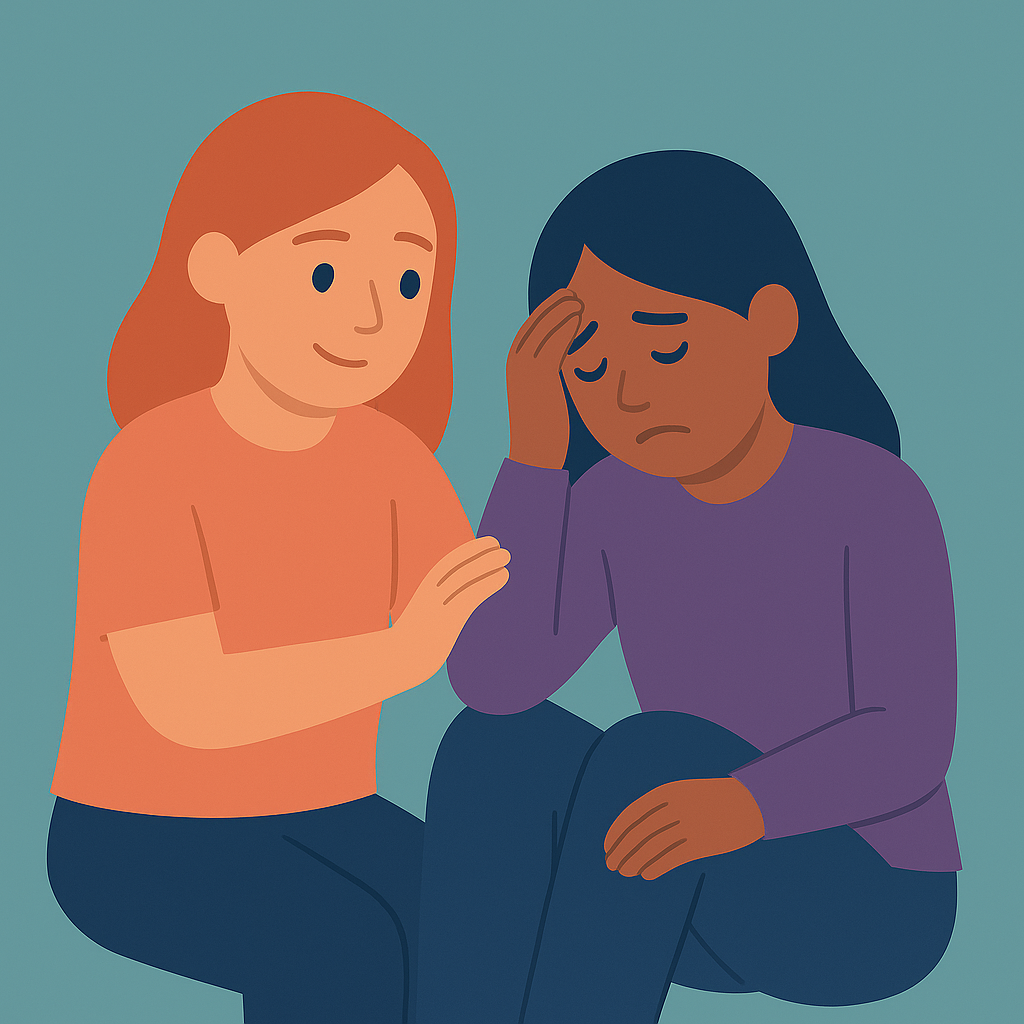
It’s really important to find someone you can trust and share your feelings with them.
The support children and young people need is different for everyone, for some people it could be support from friends and family, looking on a website for ideas, a chat online, for some being with other people who are grieving can really help and some people feel better when they have been to meet with a bereavement practitioner.
How long will I grieve for?
There is no time limit for grief. We may feel very distressed all of the time in the beginning and as time passes we might not. But there will always be times when you return to your grief and need to visit it again. This is normal too. Grief changes and keeps changing over time, just as you change, grow and develop too. There is no right or wrong way and no rules.
How can I cope with my feelings?
- Reach out for support
- Try to understand your feelings and know they are normal
- Speak to a trusted adult or friend
- Connect with other young people who are experiencing bereavement too- Compass Rise are in Wakefield and can help with this
- Work out what helps you ie more hugs or taking more time at school and don’t be afraid to ask the adults around you to help you with this
- Share whenever you need to
- Look after yourself really well! Focus on self-care – what’s in your emotional first aid kit? You are very important
- Eat well, get enough sleep and try to do things you enjoy or find relaxing- grieving can be hard work
- Know you are not alone and people want to help
- Know that what you have been through is very big and important, we could say its ‘life changing’.
- Sometimes when other people in your family, your home or friendship group are grieving too it can be really difficult to know what to say, what feelings to show and whether you will upset other people. Remember that your family and friends may not be sure how to help and this can be a confusing time for everyone.

Have you been affected by Suicide or a sudden death?
Losing someone through suicide or a sudden death can be incredibly difficult and overwhelming. You may experience a range of emotions, and it’s important to know that you don’t have to cope with this alone.
Our Suicide Postvention Service provides free, compassionate support for young people aged 14 to 25 who have been affected by the suicide or sudden death of someone they know.
We offer a personalised and holistic approach, tailored to your individual needs. Support can be provided on a one-to-one basis or through group activities, helping you to process your experiences, build resilience, and connect with others who understand.
If you would like support, or you’re concerned about someone who may benefit from this service, please get in touch:
S.M.a.S.H Society:
 darren@ylc.org.uk or dave@ylc.org.uk
 07708 471670
We’re here to listen, support, and help you navigate this difficult time.
For More Support – WF-I Can
In an Emergency
If you or someone else is in immediate danger, has seriously harmed themselves, or their life is at risk, call 999 immediately or attend your nearest A&E department.
Other Support Available
You may also find the following services helpful:
- Your GP – Can provide support, advice and referrals to local mental health services.
- School and College – Many educational settings offer counselling and emotional wellbeing support.
- Childline – Free, confidential support 24 hours a day by calling 0800 1111.
- Samaritans – Available 24/7 on 116 123 for anyone who needs someone to talk to.
- Papyrus HOPELINE247 – Confidential support for young people struggling with suicidal thoughts, and for anyone concerned about a young person. Call 0800 068 4141 or text 88247
- Local Mental Health Crisis Services – If you need urgent support, contact NHS 111 and select the mental health option.
When Someone You Love Dies Resources for 13-16 year olds

Compass RISE (Wakefield)
Growing Healthy
Here For You