

Self-Harm
Self-harm is a way that some people manage their thoughts and feelings, with support it can be overcome and you can find better ways of coping
What is self-harm?
Self-harm is when someone hurts themselves deliberately. It may feel like the only way to deal with strong thoughts and feelings and a way to let those feelings out.
With support self-harm can be overcome and you can find better ways of coping.

Why do people self-harm?
People who self-harm often do so as a way to cope with painful experiences, events or feelings of being under too much pressure in their life, these can cause a lot of strong emotions such as guilt, hopelessness and feelings of worthlessness.
Our feelings can often be hard to pinpoint and understand, sometimes people don’t fully know the reasons why they self harm. Everyone is unique: behaviours don’t all follow the same patterns.
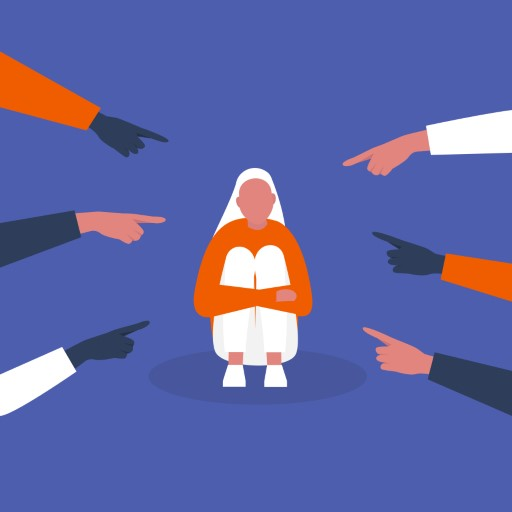
Some people who self harm describe having feelings of numbness, anger, sadness, anxiety, loneliness and disconnection from the world. Sometimes having these feelings can make us feel low or down and lead to feelings of depression.
Feelings that may lead to self harm
These feelings could be as a result of:
- Trauma ( such as abuse, an accident or after the death of someone close)
- Pressures of problems at school
- Bullying in real life or online
- Struggling with sexuality
- Having issues around identity
- Family worries (pressures at home, parents splitting up, domestic violence or an ill family member)
- Mental health issues (including having strong thoughts or voices telling them to hurt themselves)
- Bereavement or loss
- Friendship issues
- Stress- such as exam stress
- Memories and thoughts of difficult things that have happened in the past
Talk to someone
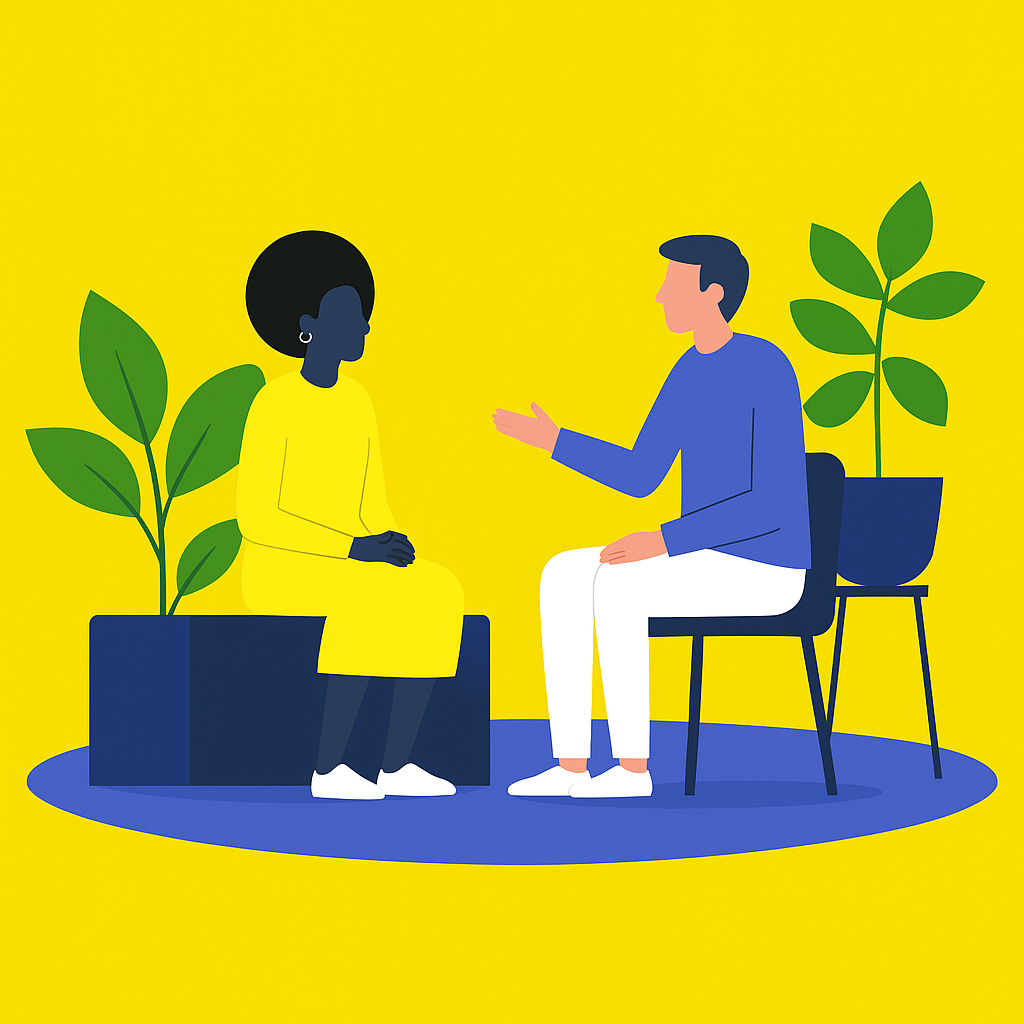
Tell someone you trust about how you feel (a trusted adult, parent, teacher, youth worker, school nurse, Future Mind practitioner in school). Most young people find it easier to talk to their friends, if someone does tell you they have been self harming, encourage them to speak to a trusted adult; do it together to take some pressure off them.
If you are self-harming and feel there isn’t anyone you can talk to face to face , it’s important that you find a different way to get some support. Helplines like the ones below are set up especially to support young people, they are staffed by friendly, approachable professionals who will help you speak about what’s happening for you at the moment.

Change the scene and release tension
If you feel the urge to self-harm It can really help to change the space around you, try moving outside, going for a walk, get some fresh air. Try putting music on, get a bath or a shower.
If you are feeling as though thoughts, feelings and urges are difficult to manage, try getting active- exercise vigorously try types of exercise that get your heart rate going. Sometimes it helps to find a creative way to release tension like writing or painting ; people find that things like using stress balls, screwing or ripping up paper, punching a pillow, kicking a ball against a wall can help. Activities such as yoga are useful, try tensing all your muscles as hard as you can for a count of ten and then relax them, it helps to calm the body down which in turn helps our minds feel calmer.
Learn Distraction Techniques
There are some really useful distraction techniques that can help you in those moments where things feel difficult. Try finding five things you can see, four things you can hear, three things you can smell and two things you can touch; moving our thoughts away from things that trouble us can be helpful.
Try doing something that totally absorbs you-redecorate your bedroom, try getting creative, watch your favourite film.

Have a Calm Down Strategy
Breathe in deeply and slowly for a count of five , as you breathe out count six; make sure your out breath is longer than your in breath as this helps calm your breathing and then your body down.
Start to practise mindfulness techniques, you can get some useful free resources on YouTube like the friendly whale guided meditation. Mindfulness helps keep your body and mind calm when things trigger you. Create a safety box or safety plan. Visit our Look After Yourself page for top tips.
Write your feelings down, keep a journal or a diary, use it to write down any worries you have – if you can try to use it to think about things you have done well or are good at as well, sometimes we can only think of the negative sides of a situation.

Look After Yourself
Try to catch yourself before the feelings and thoughts get too strong, imagine them as a ladder- use techniques to stop you from climbing onto the next rung. Making sure that you get 8 hours sleep a night (things often look better in the morning), eat regular meals, stay hydrated and exercise regularly is a great way to stop things from escalating. Stay connected to friends and family; even when it feels hard.
Most importantly, know that your are not alone with your worries, there are lots of places to turn to if you need support.

In crisis?
If you feel that you cannot keep yourself safe or have an emergency, visit our In Crisis page for more information.
Self-Harm Resources for 16-19 year olds

Childline
Compass RISE (Wakefield)
Here For You
MindMate
Night OWLS
No Panic